10 Essential Commands Every Pup Learns Faster with Dog Training Near Me
Efficient Methods for Effective Pet Training: A Comprehensive Overview
Effective canine training calls for a nuanced understanding of canine behavior. It copyrights on the concepts of positive support and consistency. Trainers should acknowledge the relevance of essential commands and socializing. Dealing with usual behavioral concerns can transform a dog's personality. As the bond between owner and pet strengthens, the way they connect develops. The trip of successful training incorporates different strategies that might amaze even seasoned pet dog owners. What are the essential components that can make a substantial distinction?
Understanding Pooch Behavior
Comprehending canine behavior is necessary for reliable pet dog training, as it permits fitness instructors to translate a pet's activities and responses in different situations. Canines communicate largely through body language, vocalizations, and face expressions. Acknowledging indicators of anxiety, anxiety, or hostility can aid instructors readjust their strategies to guarantee a favorable training experience. A wagging tail does not constantly show happiness; the context and various other body hints should be taken into consideration.
Additionally, recognizing a dog's breed-specific qualities can offer insights right into their habits patterns and instincts. Socialization plays an important function fit a pet dog's actions to new individuals and atmospheres. Observing a pet's play design can also expose their personality and convenience degrees. By carefully reviewing these behaviors, trainers can produce tailored strategies that promote learning and strengthen the bond between dog and proprietor, inevitably bring about even more effective training end results.
The Importance of Positive Reinforcement
Favorable support is a vital approach in pet training that improves the finding out procedure by rewarding preferred actions. This method urges pet dogs to duplicate activities that yield favorable end results, such as deals with, praise, or playtime (Dog Training Near Me). By associating excellent actions with incentives, pets come to be much more determined and engaged throughout training sessions
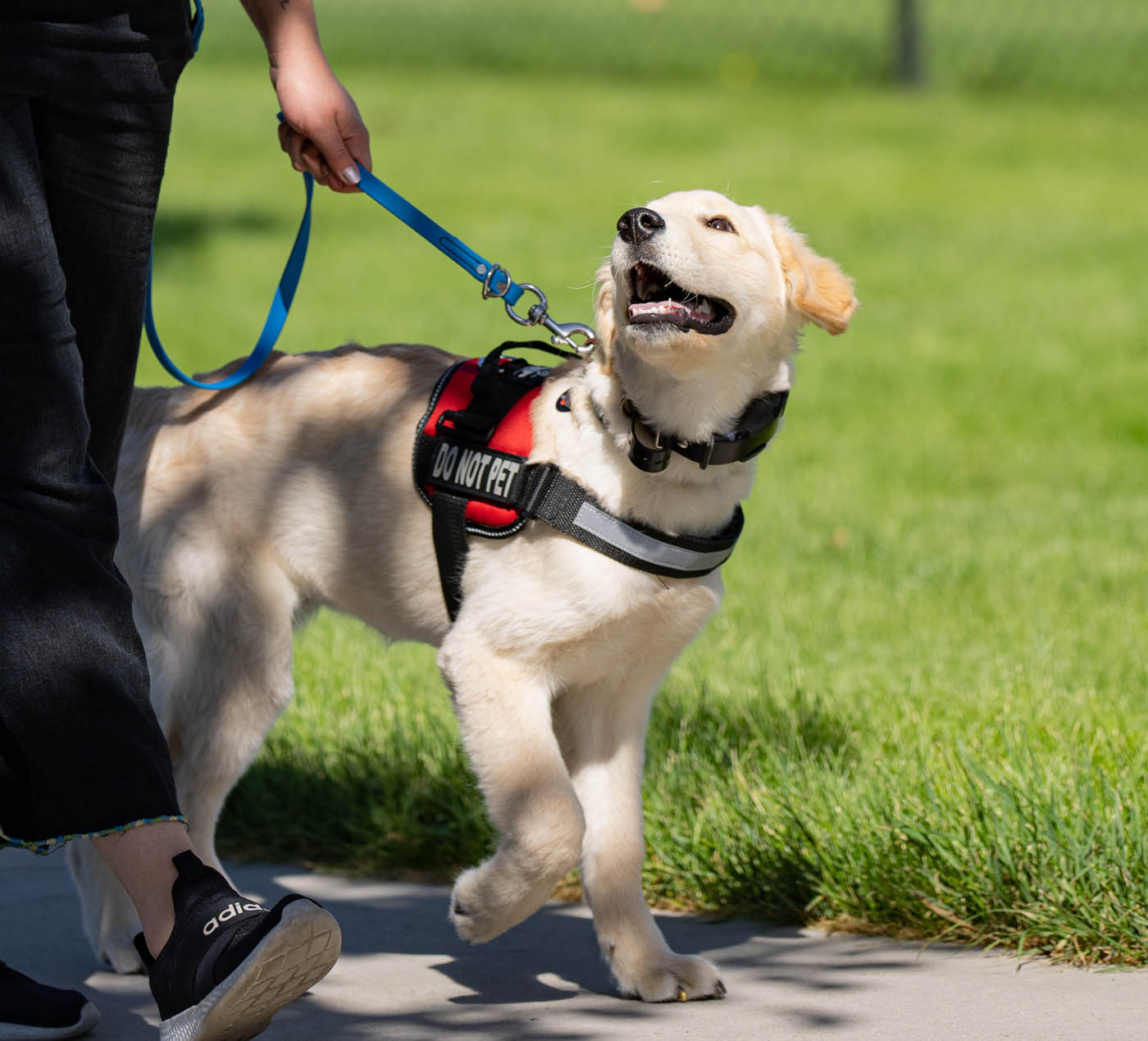
Integrating favorable support right into training regimens can lead to quicker learning and much better retention of commands. It advertises a cheerful environment that improves both the canine's experience and the trainer's contentment, making it a fundamental aspect of effective pet dog training.
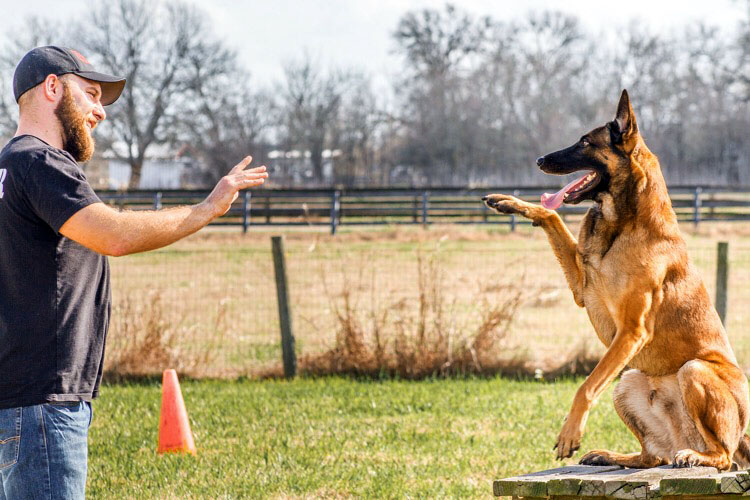
Important Commands Every Pet Dog Need To Know
Creating a Regular Training Set Up
Developing a regular training schedule is essential for efficient canine training, as it helps strengthen knowing and develops a sense of routine for the pet. An organized approach allows both the fitness instructor and the canine to anticipate training sessions, which can boost emphasis and interaction. Preferably, training sessions need to be brief, lasting in between 5 to 15 minutes, to preserve the dog's interest and enthusiasm.
Integrating training right into day-to-day tasks, such as nourishment or strolls, can also promote uniformity. This combination aids canines associate training with positive experiences. It is very important for trainers to stay flexible; unanticipated events might demand modifications to the schedule.
In addition, repetition is vital. Regular technique of commands and habits solidifies discovering and develops self-confidence. By sticking to a consistent schedule, fitness instructors can ensure that their pets develop great behaviors and respond reliably to commands, laying the groundwork for efficient training outcomes.
Socialization: Secret to a Well-Adjusted Canine
Socialization is necessary for a pet dog's advancement, influencing their habits and communications with individuals and various other pets. Very early exposure to different settings, seems, and experiences can considerably improve a pet dog's versatility and confidence. Employing reliable socialization strategies can help assure a well-adjusted canine companion.
Importance of Early Socialization

Techniques for Efficient Socialization
While numerous dog owners recognize the importance of socializing, understanding effective methods to facilitate this procedure is essential for fostering a well-adjusted pet dog. Steady exposure to diverse atmospheres, individuals, and various other pets can significantly boost a pet dog's comfort degree in numerous scenarios. Positive support plays a vital role; gratifying desired actions motivates canines to approach new experiences with confidence. Structured playdates with courteous pets help create social abilities and alleviate worry reactions. Registering in obedience courses can additionally give regulated settings for socialization. Keeping a tranquil temperament as a proprietor reinforces the dog's feeling of security, allowing for more effective interactions. These techniques collectively add to a balanced and adaptable canine companion.
Taking Care Of Usual Behavioral Issues
Managing typical behavioral problems is necessary for maintaining a harmonious partnership between dogs and their owners. Trick challenges such as aggression, too much barking, and jumping actions require targeted approaches to manage properly. Comprehending the root causes of these behaviors can lead to successful interventions and a more balanced canine companion.
Addressing Hostility Issues
Aggression in pet dogs can show up in different types, posturing difficulties for proprietors and trainers alike. Attending to these problems necessitates a thorough understanding of the underlying reasons, which might consist of territoriality, source, or concern securing. hop over to here Recognizing triggers is crucial; proprietors need to observe their pet's body movement and habits to identify details scenarios that prompt aggressiveness. Favorable support techniques can efficiently change hostile actions, fulfilling tranquil feedbacks to identified triggers. Consistency is essential, and this article proprietors need to stay individual throughout the training procedure. In many cases, specialist support from a certified pet dog instructor or behaviorist might be required, particularly for severe hostility. Eventually, the objective is to develop a secure environment for both the pet and those around it.
Taking Care Of Excessive Barking
Excessive barking can be a considerable nuisance for dog owners and next-door neighbors alike, commonly indicating underlying concerns that need dealing with. Determining the triggers behind the barking is crucial; these may consist of boredom, stress and anxiety, or an action to exterior stimuli. Owners should observe their dog's habits and atmosphere to pinpoint the reason. Dog Training Near Me. Implementing constant training methods, such as favorable reinforcement, can successfully minimize barking. Showing commands like "quiet" or redirecting the pet dog's focus presently of barking can be advantageous. Additionally, supplying ample physical and mental excitement through workouts and interactive playthings can minimize boredom-related barking. In many cases, speaking with a professional fitness instructor or behaviorist may be necessary to establish tailored methods that resolve consistent barking problems
Reducing Jumping Behavior
Numerous pets exhibit jumping behavior, often as a way of expressing excitement or looking for interest from their visitors and proprietors. This habits can be troublesome, particularly when it leads to unintended injuries or pain for guests. To decrease leaping, owners ought to initially stay calm and prevent rewarding the habits with focus, as this can reinforce it. Rather, they can educate a different behavior, such as sitting, by rewarding the dog for remaining calmness when someone approaches. Consistency is key; all member of the family have to apply the same guidelines. Additionally, training sessions ought to include disturbances to aid the pet dog discover to manage their impulses. Gradually, with patience and perseverance, jumping can be considerably lowered, bring about a more pleasant setting.
Building a Solid Bond Via Training
Although educating a pet frequently concentrates on commands and actions, it also offers as a necessary chance to enhance the bond in between the pet and its owner. Taking part in training sessions promotes communication, shared understanding, and trust. When owners invest time in educating their canines, they demonstrate commitment, which aids the canine really feel secure and valued. Positive reinforcement strategies, such as treats and praise, not just encourage preferred habits but likewise enhance the emotional connection in between the dog and proprietor.
Consistency in click here to read training develops a feeling of dependability, enabling pet dogs to comprehend their function within the family. Each effective command boosts the canine's confidence, causing a much deeper relationship. Normal training sessions can end up being enjoyable bonding experiences, full of playfulness and interaction - Dog Training Near Me. Ultimately, the procedure of training transcends simple obedience, creating a collaboration that enriches the lives of both the pet dog and its owner
Frequently Asked Concerns
What Age Is Ideal to Start Educating a Pup?
The very best age to begin training a young puppy is generally in between 8 to 12 weeks. At this phase, pups are most receptive to finding out, making it an ideal time for fundamental training and socialization.
Just how Long Should Each Educating Session Last?
The optimal duration for every pet training session typically varies from 5 to 15 mins, relying on the dog's age and attention span. Short, concentrated sessions enhance discovering and retention, making training extra enjoyable and reliable.
Can Older Dogs Still Be Educated Efficiently?
Older canines can undoubtedly be educated properly. With perseverance and consistent techniques, they can find out new commands and actions. Their experience often makes them more receptive to training, improving the bond between pet and owner.
What Equipment Do I Need for Educating?
For efficient dog training, vital equipment includes a tough leash, a comfortable harness, high-value treats, training clickers, and a variety of toys. These devices promote communication and reinforce favorable behaviors during training sessions.
How Do I Track My Pet's Training Progress?
To track a pet's training progress, one can preserve a journal, document turning points, and note behavior adjustments. Routine evaluations, consisting of timed commands and obedience tests, help determine improvement and determine areas needing additional interest.
Recognizing canine habits is essential for reliable dog training, as it permits trainers to translate a canine's activities and reactions in different circumstances. Developing a regular training routine is essential for efficient pet dog training, as it helps strengthen discovering and produces a feeling of routine for the pet dog. Educating a canine often concentrates on commands and habits, it also offers as an important opportunity to enhance the bond in between the pet and its proprietor. When proprietors invest time in instructing their dogs, they show commitment, which helps the canine really feel safe and secure and valued. The perfect duration for each canine training session commonly ranges from 5 to 15 mins, depending on the dog's age and attention span.